 Save
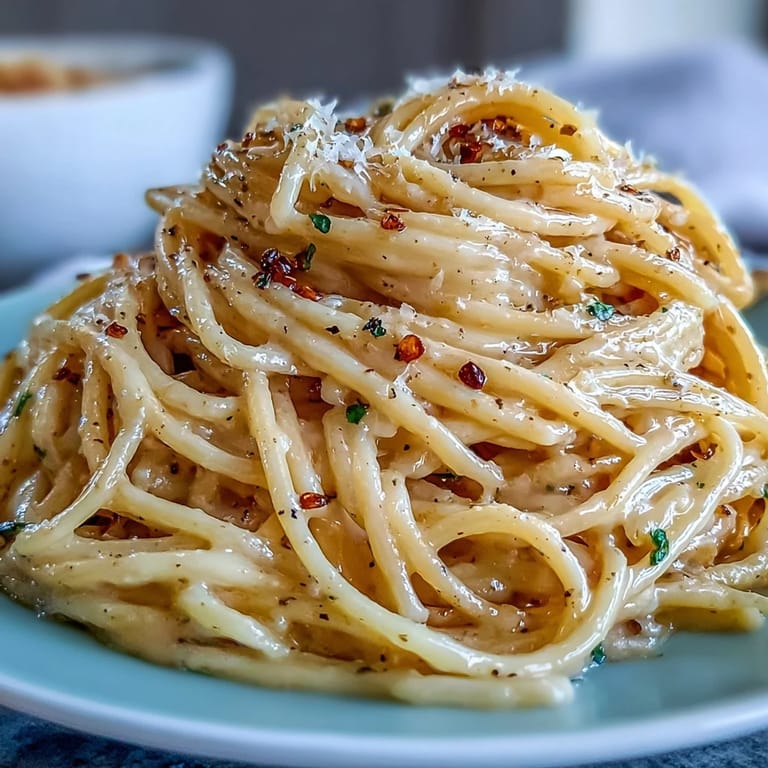
Save The skillet was too hot, the cheese clumped, and I stood there staring at what looked like scrambled eggs tangled in spaghetti. My first attempt at cacio e pepe was a disaster, but it taught me something crucial: this deceptively simple Roman dish demands respect, timing, and a gentle hand. Three ingredients, endless possibility for failure, and when you finally get it right, pure magic. I've made it dozens of times since that night, and now the ritual feels like second nature. The sound of peppercorns cracking, the smell of toasted spice, the way the cheese melts into silk instead of rubber.
I made this for my sister on a rainy Tuesday when she showed up unannounced, soaked and exhausted from a terrible day at work. We stood in my tiny kitchen, her holding a glass of wine, me tossing pasta in the skillet, and within twenty minutes she was smiling again. She said it tasted like comfort, like someone cared enough to make something real. That's when I realized cacio e pepe isn't just food, it's a gesture. It says I see you, I'm here, let me feed you something warm and honest.
Ingredients
- Spaghetti or tonnarelli (400 g): Tonnarelli is traditional, thicker and square cut, but spaghetti works beautifully and is easier to find, just cook it one minute shy of al dente so it finishes in the sauce.
- Pecorino Romano cheese (120 g, finely grated): This is the soul of the dish, salty and sharp, and you must grate it yourself because pre-shredded versions contain anti-caking agents that ruin the texture.
- Whole black peppercorns (2 tsp, freshly cracked): Toasting them in a dry pan wakes up their fruity, floral notes, transforming them from background seasoning to co-star.
- Kosher salt (1 tsp for pasta water): Salt the water generously, it's your only chance to season the pasta itself.
- Unsalted butter (1 tbsp, optional): Purists skip it, but a small knob adds silkiness and forgiveness if your emulsion wobbles.
Tired of Takeout? 🥡
Get 10 meals you can make faster than delivery arrives. Seriously.
One email. No spam. Unsubscribe anytime.
Instructions
- Boil and cook the pasta:
- Bring a large pot of water to a rolling boil, salt it until it tastes like the sea, then add your spaghetti and cook until just barely al dente, about one minute less than the package says. Before you drain, scoop out at least one and a half cups of that cloudy, starchy water, it's liquid gold for your sauce.
- Toast the pepper:
- While the pasta bubbles away, heat a large dry skillet over medium heat and add your cracked peppercorns, shaking the pan gently for about a minute until they smell warm and fragrant, like a spice market waking up. Don't walk away or they'll burn and turn bitter.
- Build the pepper base:
- Pour one cup of your reserved pasta water into the skillet with the toasted pepper and reduce the heat to low. Let it simmer gently, marrying the water and spice.
- Toss the pasta:
- Add the drained spaghetti directly to the skillet and toss it around, letting the noodles drink in that peppery water and start to glisten. This step builds flavor and preps the pasta to accept the cheese.
- Create the creamy sauce:
- Pull the skillet off the heat completely, this is crucial, then sprinkle in the Pecorino gradually while tossing constantly with tongs, adding splashes of reserved pasta water as you go to keep everything moving and creamy. The goal is a glossy, clinging sauce, not clumps of cheese.
- Finish and serve:
- If you're using butter, toss it in now and stir until it melts into the sauce, adding one last splash of pasta water if needed. Serve immediately in warm bowls, topped with more grated Pecorino and a generous crack of black pepper.
 Save
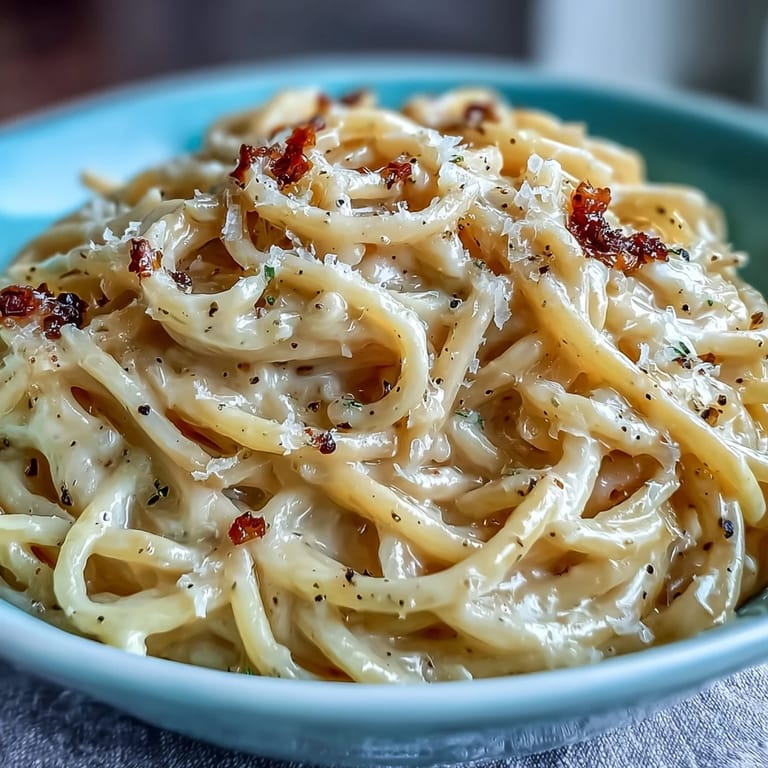
Save One night I made this for a friend visiting from Rome, and I was terrified she'd judge my American attempt at her hometown classic. She took one bite, closed her eyes, and said it reminded her of her nonna's kitchen on Sunday afternoons. I nearly cried. Food has this strange power to collapse distance and time, to make someone feel at home even when they're thousands of miles away.
Choosing Your Pasta
Tonnarelli is the authentic choice, a thick squared-off spaghetti that grabs onto the sauce with its rough edges, but unless you live near a great Italian market, spaghetti is your best bet. I've also used bucatini with great success, the hollow center trapping little pockets of creamy sauce. Whatever you choose, avoid delicate shapes like angel hair, they can't stand up to the vigorous tossing this dish demands. The pasta needs to be sturdy enough to become part of the sauce, not drown in it.
The Cheese Matters More Than You Think
I learned this the expensive way after buying a wedge of Parmigiano Reggiano by mistake and wondering why my cacio e pepe tasted wrong, too mild and sweet. Pecorino Romano is made from sheep's milk and has a sharp, salty punch that Parmesan simply can't match. Buy a small wedge from the deli counter, not the green can, and grate it on the smallest holes of your box grater or use a microplane. The finer the grate, the faster it melts, and the creamier your sauce becomes. Store the leftover wedge wrapped in parchment, then foil, and it will keep for weeks in your fridge.
What to Serve Alongside
Cacio e pepe is rich and bold, so I like to balance it with something bright and crisp. A simple arugula salad dressed with lemon juice and good olive oil cuts through the richness perfectly. Sometimes I'll roast asparagus or broccolini with garlic and red pepper flakes, or serve crusty bread to soak up any sauce left in the bowl. A chilled glass of Frascati or Vermentino feels right, crisp and mineral, like drinking sunshine.
- Keep it simple so the pasta stays the star of the meal.
- A squeeze of fresh lemon over the greens wakes up your palate between bites.
- Don't skip the bread, there's nothing sadder than wasted cacio e pepe sauce.
 Save
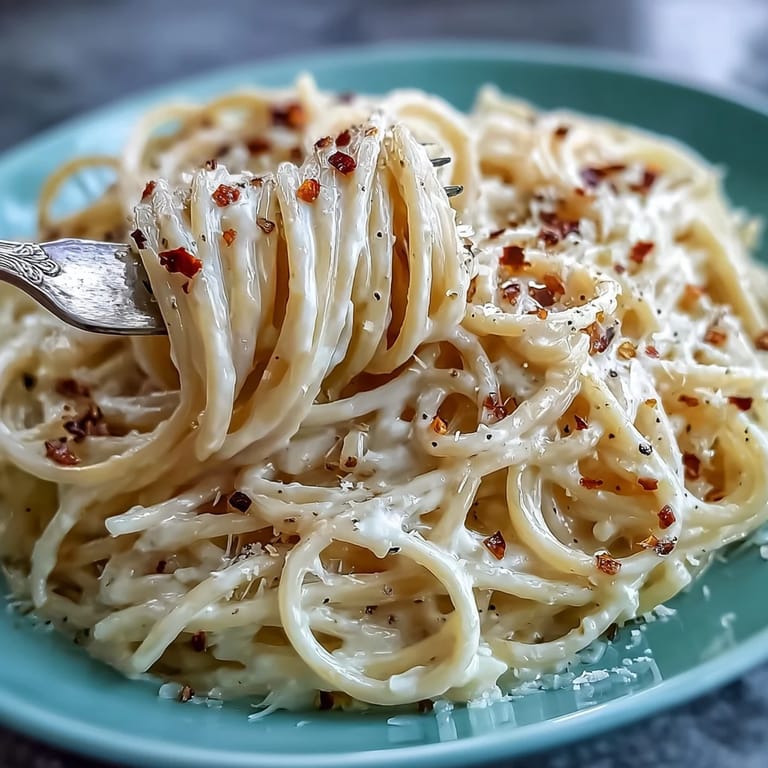
Save This dish has become my answer to long days, bad news, and celebrations alike, proof that you don't need a long ingredient list to make something worth remembering. I hope it becomes that for you too.
Recipe FAQs
- → What type of cheese should I use for Cacio e Pepe?
Authentic Cacio e Pepe requires freshly grated Pecorino Romano. Avoid pre-shredded varieties as they contain anti-caking agents that prevent smooth melting. Parmesan is not a traditional substitute, though some blend both cheeses.
- → Why does my sauce turn clumpy instead of creamy?
Clumping occurs when cheese meets excessive heat. Remove the skillet from heat before adding Pecorino Romano, and add it gradually while tossing vigorously. The pasta water's starch helps emulsify the cheese into a smooth sauce.
- → Can I use a different pasta shape?
Tonnarelli is traditional, but spaghetti works beautifully. Long pasta shapes like bucatini or linguine also capture the sauce well. Avoid short pasta shapes as they don't provide the same coating effect.
- → How much pasta water should I reserve?
Reserve at least 1½ cups of starchy pasta water before draining. This liquid is essential for creating the creamy sauce and adjusting consistency. Add it gradually, as you can always add more but can't remove excess.
- → Is butter traditional in Cacio e Pepe?
Traditional Roman Cacio e Pepe contains only pasta, Pecorino Romano, black pepper, and pasta water. Butter is a modern addition that some cooks use for extra richness, but purists omit it entirely.
- → What wine pairs well with this dish?
Crisp Italian white wines like Frascati, Verdicchio, or Pinot Grigio complement the rich, peppery flavors. The wine's acidity cuts through the cheese's richness while highlighting the dish's Roman origins.