 Save
Save The aroma of butter and vanilla hit me the moment I whisked together the batter for the graduation sheet cake—it immediately made me think of celebration. Morning sunlight streamed through the kitchen window, catching the reflection on a mixing bowl and reminding me this was more than just a cake: it was a centerpiece for a milestone. All those times I had rushed a cake for a birthday or holiday felt distant; here, there was anticipation and a sense of occasion. The sound of my electric mixer whirring brought a smile—it was the soundtrack to prepping for a big day. Even before I piped the first rose, I felt that excitement you get when something is about to be shared with a crowd.
I remember the energy in the kitchen the day my cousin graduated—family bustling around, laughter echoing, and everyone peeking at the cake taking shape on the countertop. As I piped the last rose, my aunt leaned over, admiring the colors and nervously making sure I included her daughter&aposs school colors on the diploma. It became almost a game: who would spot their alma mater's ribbon first. There was a sense of pride in decorating, and someone kept sneaking bits of buttercream. By the time the cake was ready, it felt like everyone had played a part in the celebration.
Ingredients
- All-purpose flour: Provides the structure for the cake—make sure to measure carefully for a light yet sturdy crumb.
- Granulated sugar: Sweetens and tenderizes the cake, and I found sifting it with the flour prevents clumping.
- Unsalted butter (softened): Creams beautifully with sugar; letting it sit out helps achieve fluffy texture.
- Whole milk (room temperature): Enhances richness and ensures an even mix—don't use cold milk or your batter could curdle.
- Large eggs (room temperature): Bind and give structure, and leaving them out of the fridge avoids streaky batter.
- Vanilla extract: Brings warmth to the cake and buttercream; using real vanilla elevates the flavor.
- Baking powder: Gives necessary lift; double-check freshness for the best rise.
- Salt: Balances sweetness and deepens flavor; a little goes a long way.
- Powdered sugar (sifted): Essential for a smooth, creamy buttercream—sifting prevents grittiness.
- Food coloring (gel preferred): Creates bright, bold hues without watering down the frosting.
- Edible pearls: Offer a hint of sparkle; sprinkle them right before serving for best effect.
- Fondant or white chocolate: Shape into your diploma; white chocolate gives a sweet crunch while fondant is easier to mold.
Tired of Takeout? 🥡
Get 10 meals you can make faster than delivery arrives. Seriously.
One email. No spam. Unsubscribe anytime.
Instructions
- Prep the Pan:
- Grease your sheet cake pan and line with parchment, making sure the corners are snug. This step sets you up for easy unmolding later.
- Mix the Cake Batter:
- Beat the softened butter and sugar until pale and fluffy—listen for the change in hum from the mixer as it thickens. Add eggs one at a time, then the vanilla, scraping the bowl as you go.
- Combine Dry Ingredients:
- Whisk together the flour, baking powder, and salt; you&apost want pockets of baking powder lurking in the batter. This is your cake&aposs secret to even rise.
- Add Dry and Wet Mixes:
- Alternate dry ingredients and milk into the wet, starting and ending with flour—watch for the batter to come together smoothly, but don&apost overmix or you risk a dense cake.
- Bake to Perfection:
- Pour your batter into the pan and smooth out the surface gently. Bake, check with a toothpick at 28 minutes, and listen for the slight spring when pressed lightly.
- Cool Down:
- Let the cake rest in the pan for ten minutes, then transfer to a rack—this helps avoid soggy edges.
- Make Buttercream:
- Beat butter until creamy, gradually add powdered sugar, milk, and vanilla—watch for it to become airy and pale. Adjust thickness with more sugar or milk as needed.
- Tint and Decorate:
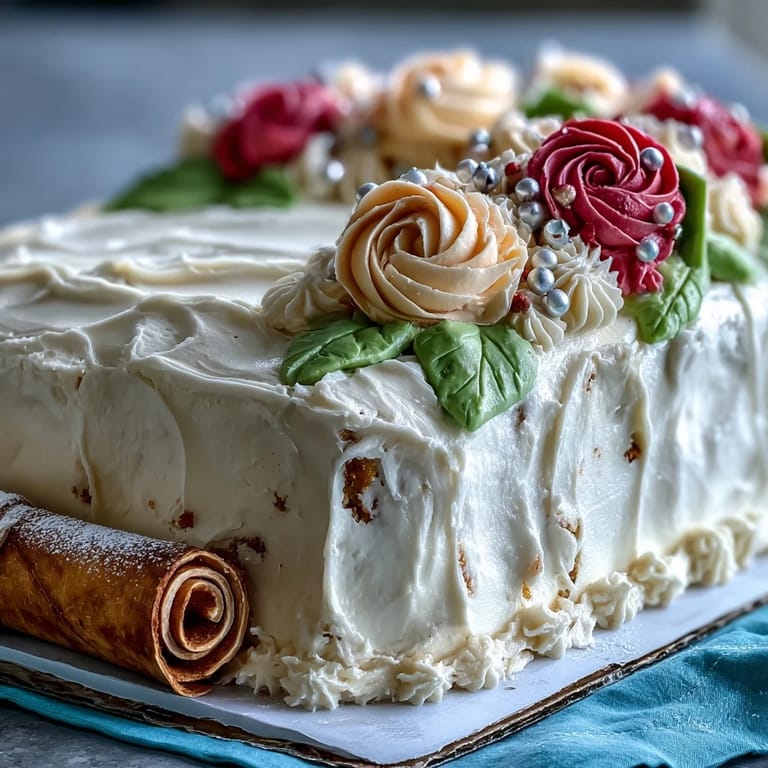
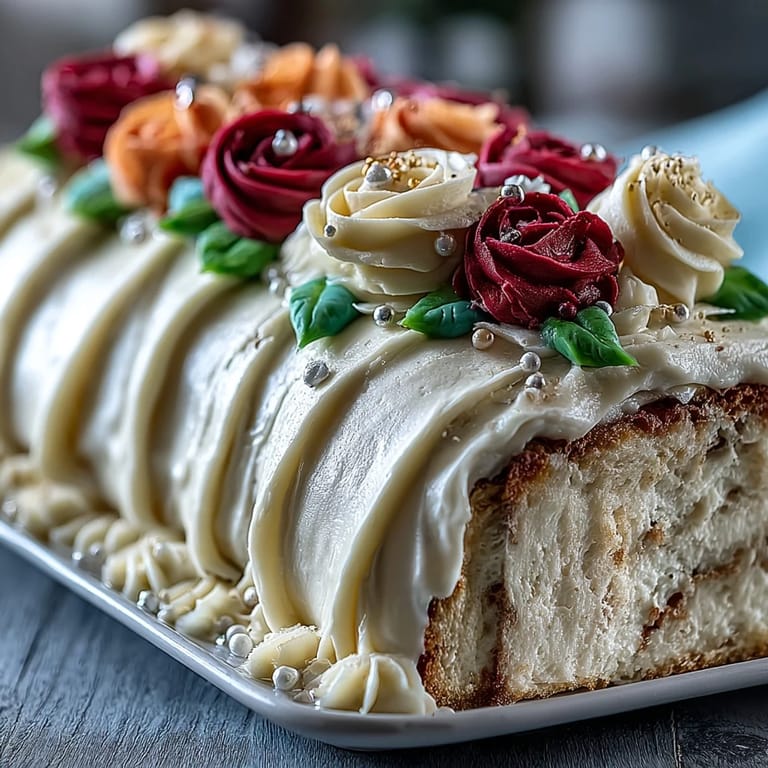
- Divide buttercream into bowls, mix in food coloring carefully so you get vibrant roses and green leaves without streaks. Pipe the base layer of frosting first, then roses and leaves, creating a floral frame around the diploma spot.
- Craft the Diploma:
- Roll fondant or shape chocolate into a scroll; use a thin ribbon of colored fondant to tie it. Place it gently in the spotlight with edible pearls nearby.
- Final Touches:
- Stand back and admire, then refrigerate the cake if making ahead—but bring it to room temperature before serving for the best flavor.
 Save
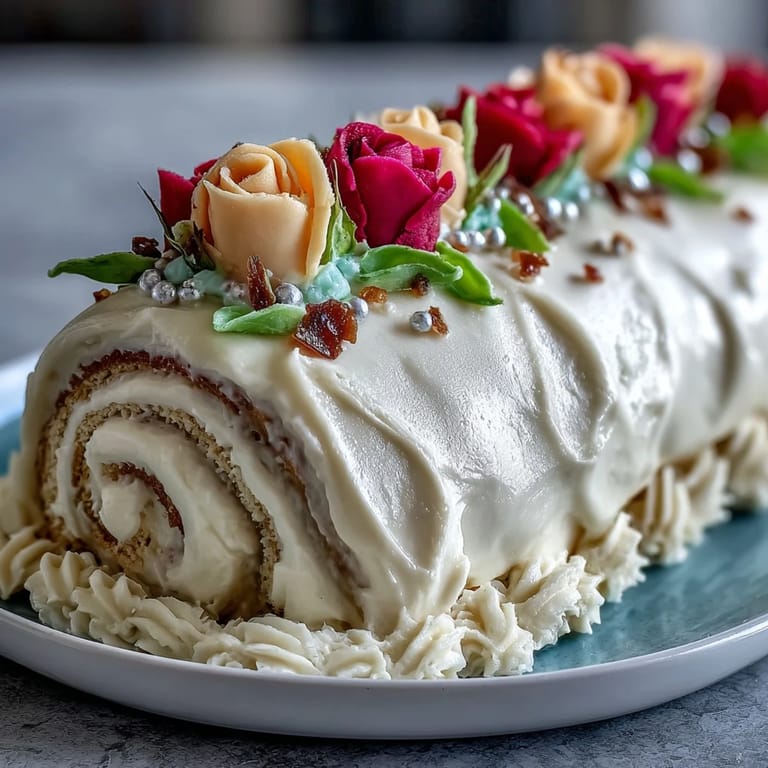
Save The cake took on a life of its own the moment the first graduate posed beside it, grinning for photos under swirls of buttercream roses. Suddenly, the kitchen chatter faded and even the shyest family members crowded around, asking for their favorite corner. From that day, the sheet cake became a canvas for accomplishment—more than dessert, a backdrop to smiles and hugs.
A Decorator&aposs Secrets for Buttercream Roses
The trick to piping roses is practicing on parchment first—I spent a few minutes swirling the bag and soon, my hands felt steadier. If you add too much color, the roses look artificial, so start light and build up for pastel petals. A rose tip and leaf tip help, but patience is just as important. Keeping the buttercream cool makes it so much easier to pipe, and I learned never to warm it up with my hands for too long.
Making the Diploma More Realistic
Crafting the edible diploma always amuses guests—I roll fondant into a scroll, dust a bit of edible gold, then tie pure school-colored ribbons. White chocolate adds a crisp bite if you prefer it over fondant, but take care: it melts quickly under warm hands. Using a fine brush, add a few lines for that official look. It&aposs the kind of detail that gets noticed but doesn&apost have to be perfect to delight everyone.
Celebration Cake Serving Tips
Let the cake reach room temperature before slicing—too cold and the buttercream won&apost be creamy. Use a hot, dry knife for the cleanest cuts so you preserve those rose details for each guest. Serve each slice with a bit of diploma for extra flair.
- Always remove the parchment before cutting or frosting.
- Don&apost rush the cooling or the buttercream will melt.
- If saving leftovers, wrap tightly so the cake stays moist.
 Save
Save If you ever need a centerpiece for a milestone, this cake never fails to spark a little magic and conversation. The buttercream roses and edible diploma make every slice a sweet celebration worth remembering.
Recipe FAQs
- → Can I make the cake ahead of time?
Yes. Bake the cake and prepare buttercream a day ahead, then decorate just before serving for best freshness.
- → How do I pipe buttercream roses?
Use a piping bag fitted with a rose tip and tinted buttercream. Start from the center and create outward spirals for petals.
- → What alternatives are there for the edible diploma?
Shape fondant or white chocolate for a scroll; use ribbon and edible pearls to enhance detail or personalize with school colors.
- → Can the cake be made chocolate?
Yes. Substitute ¾ cup flour with unsweetened cocoa powder to create rich chocolate layers.
- → What food coloring is best for vibrant decorations?
Gel food coloring works best, offering bold hues without watering down the buttercream.
- → How should leftovers be stored?
Cover and refrigerate the cake for up to three days or freeze slices for longer storage.