 Save
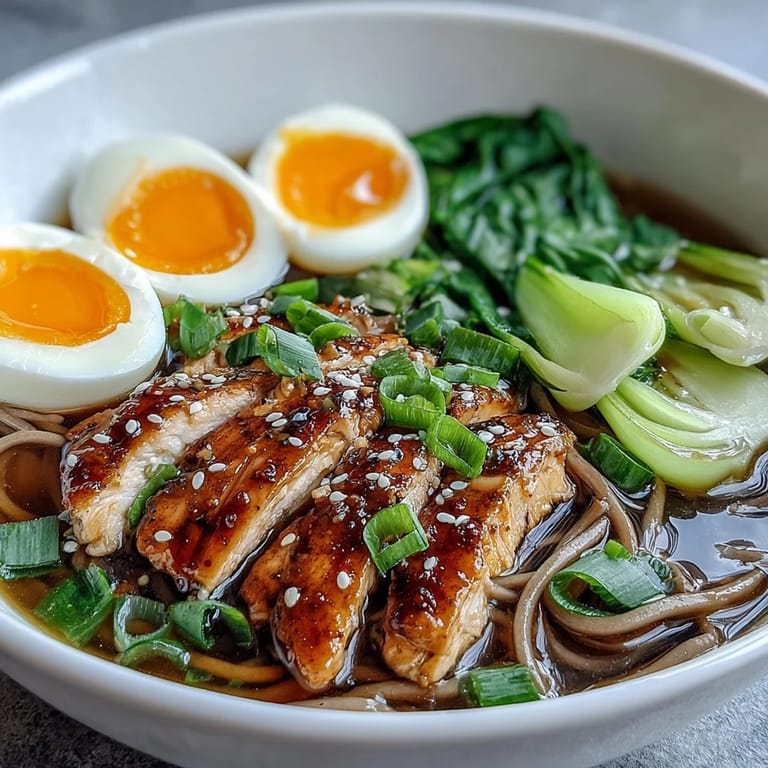
Save My neighbor knocked on my door one rainy Tuesday holding a jar of miso paste she didn't know how to use. I invited her in, pulled out chicken thighs and whatever vegetables I had wilting in the crisper, and we made these bowls together while her toddler napped in the stroller. The kitchen filled with that deep, salty-sweet smell of miso meeting heat, and by the time we sat down with our bowls, the rain had stopped and we both felt like we'd traveled somewhere warm without leaving my tiny kitchen.
I made these bowls the night before my friend moved across the country, and we sat on the floor of her empty apartment with our legs crossed, slurping noodles and laughing about all the dinners we'd have to recreate over video calls. She took a photo of her bowl and sent it to me a week later from her new city, saying she'd already made it twice. That's when I knew this recipe had become more than just dinner.
Ingredients
- Boneless, skinless chicken thighs or breasts: Thighs stay juicier and more forgiving if you lose track of time, but breasts work beautifully if you prefer leaner meat.
- White miso paste: This is the soul of the dish, offering a gentle umami that doesn't overwhelm; keep it in your fridge and it lasts for months.
- Low-sodium soy sauce: It gives you control over the salt level, especially since miso is already savory.
- Rice vinegar: A touch of brightness that lifts the marinade and keeps it from feeling one-note.
- Honey or maple syrup: Just enough sweetness to balance the salty miso and help the chicken caramelize slightly.
- Fresh ginger: Grate it finely so it melts into the marinade; the sharpness mellows beautifully as it cooks.
- Garlic: One clove is plenty; too much and it overpowers the delicate miso.
- Toasted sesame oil: A few drops go a long way, adding a nutty warmth that ties everything together.
- Soba noodles or whole wheat spaghetti: Soba has that earthy chew, but spaghetti works in a pinch and nobody will complain.
- Low-sodium chicken broth: The base of your broth; taste as you go so you can adjust seasoning without regret.
- Shiitake mushrooms: They add a meaty depth that makes even vegetable broth taste richer.
- Carrot: Julienned carrots look elegant and cook quickly, adding a slight sweetness.
- Baby bok choy: It wilts into silky tenderness and soaks up the broth like a sponge.
- Snow peas: A crisp, fresh contrast to the soft noodles and tender chicken.
- Baby spinach or kale: Stir it in at the end so it stays vibrant and doesn't turn to mush.
- Soft-boiled eggs: The runny yolk swirls into the broth and makes every spoonful feel luxurious.
- Scallions: Sliced thin, they add a sharp, fresh bite that wakes up the whole bowl.
- Toasted sesame seeds: A tiny crunch and a whisper of nuttiness.
- Fresh cilantro or parsley: Choose whichever you love; both bring brightness without competing with the miso.
- Nori strips: Optional, but they add a hint of the ocean and make the bowl look like it came from a restaurant.
- Chili oil or Sriracha: For those who want heat, a drizzle transforms the bowl into something bold.
Tired of Takeout? 🥡
Get 10 meals you can make faster than delivery arrives. Seriously.
One email. No spam. Unsubscribe anytime.
Instructions
- Make the marinade:
- Whisk together miso, soy sauce, rice vinegar, honey, ginger, garlic, and sesame oil until it's smooth and no lumps remain. The mixture should smell sweet, salty, and a little bit funky in the best way.
- Marinate the chicken:
- Coat the chicken evenly, cover, and let it sit in the fridge for at least 30 minutes, though overnight makes it even better. Bring it to room temperature for a few minutes before cooking so it sears evenly.
- Cook the noodles:
- Boil the soba just until al dente, then rinse them under cold water to stop the cooking and wash away excess starch. Toss with a few drops of sesame oil so they don't clump into a brick.
- Sear the chicken:
- Heat your pan until it's almost smoking, shake off excess marinade, and cook the chicken for 4 to 5 minutes per side until it's golden and cooked through. Let it rest for 5 minutes so the juices settle back into the meat.
- Build the broth:
- Simmer the broth and water gently, then whisk in the miso until it dissolves completely; don't let it boil or the miso loses its delicate flavor. Add mushrooms, carrots, bok choy, and snow peas, cooking just until tender but still bright.
- Finish and assemble:
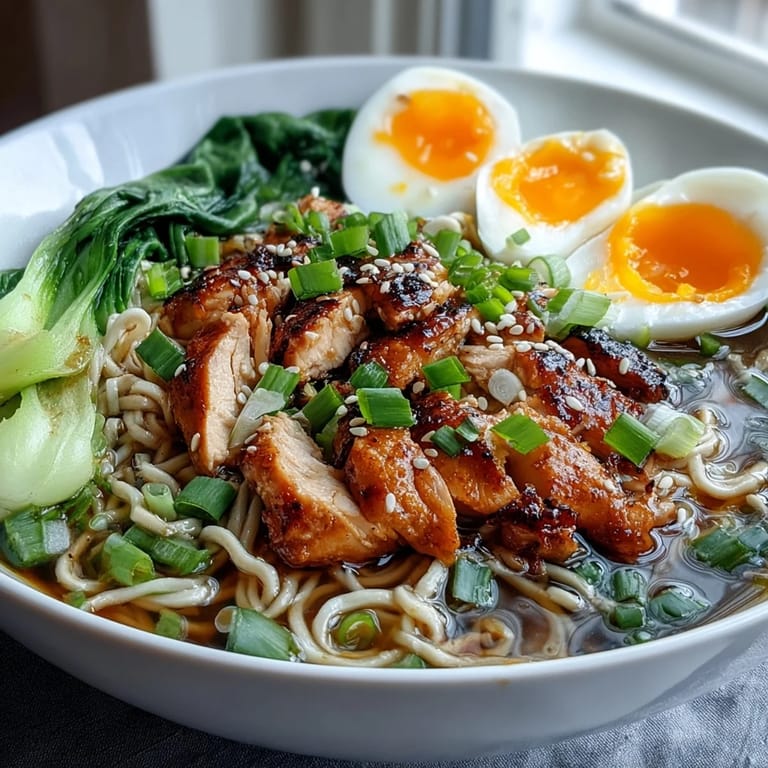
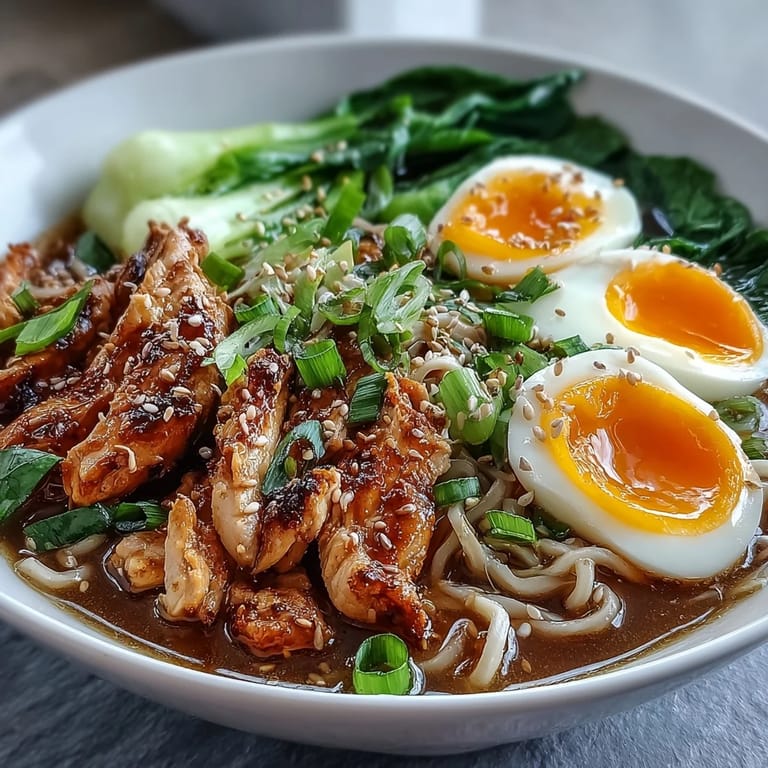
- Stir in the spinach off the heat, divide the noodles between bowls, and arrange sliced chicken on top. Ladle the hot broth and vegetables over everything, then add your toppings with a generous hand.
 Save
Save  Save
Save The first time I served these bowls to my family, my youngest sister, who usually picks at her food, ate two full bowls and asked if we could have them every week. My dad, who never comments on meals, looked up and said it tasted like the ramen shop we used to go to when I was little. I didn't tell him I'd never been to that shop, just nodded and refilled his bowl.
Making It Your Own
This recipe is forgiving in the best way. If you don't have shiitake mushrooms, button mushrooms or even canned mushrooms work fine. I've used frozen edamame, leftover roasted broccoli, and even shredded cabbage when I didn't have bok choy, and every version tasted like it was meant to be. The miso marinade is the anchor, so as long as you have that, the rest can shift with whatever's in your fridge. I once forgot the sesame seeds entirely and nobody noticed.
Vegetarian and Vegan Options
Swap the chicken for extra-firm tofu pressed and sliced into thick slabs, then marinate and pan-fry until golden. Use vegetable broth instead of chicken broth and skip the egg, or use a vegan soft-boiled egg substitute if you can find one. The miso still brings that deep, savory richness, and honestly, the tofu soaks up the marinade even better than chicken does. I've served this version to friends who didn't realize it was plant-based until I mentioned it halfway through the meal.
Storage and Reheating
Keep the broth, noodles, chicken, and toppings in separate containers if you're planning to eat leftovers. The noodles will swell and turn mushy if they sit in the broth overnight, and the greens lose their color. When you're ready to eat, reheat the broth gently on the stove, warm the noodles in hot water for a minute, and assemble fresh. It takes an extra two minutes but tastes like you just made it.
- Leftover chicken keeps for up to three days in the fridge and tastes great cold on a salad.
- You can freeze the broth for up to a month, just leave out the vegetables until you reheat.
- If the broth tastes too salty after storing, add a splash of water and a pinch of honey to balance it out.
 Save
Save 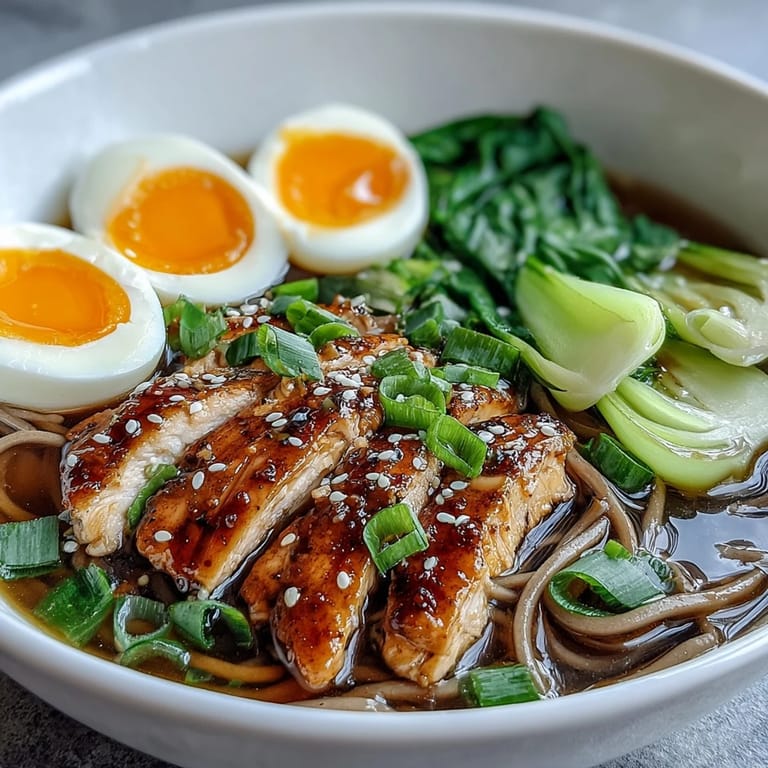 Save
Save These bowls have become my answer to long days, cold nights, and the question of what to make when I want something that feels like care without a lot of fuss. I hope they do the same for you.
Recipe FAQs
- → Can I make this dish vegetarian?
Yes, substitute the chicken with extra-firm tofu and swap the chicken broth for vegetable broth. Marinate the tofu in the same miso mixture for at least 30 minutes to absorb the savory flavors.
- → What type of noodles work best?
Soba noodles made from buckwheat are traditional and add a nutty flavor. You can also use whole wheat spaghetti, ramen noodles, or rice noodles as alternatives. Cook them just until al dente to prevent mushiness.
- → How do I store leftovers?
Store the broth separately from the noodles and toppings to prevent sogginess. Keep everything in airtight containers in the refrigerator for up to 3 days. Reheat the broth gently and assemble fresh bowls when ready to eat.
- → Can I use red miso instead of white?
Red miso has a stronger, more intense flavor that works well but will change the taste profile. Use less red miso initially and adjust to taste. White miso provides a milder, sweeter finish that balances the dish beautifully.
- → How do I get perfectly soft-boiled eggs?
Bring water to a boil, gently lower cold eggs into the pot, and cook for exactly 6-7 minutes. Immediately transfer to an ice bath for 2-3 minutes to stop cooking. Peel carefully and halve just before serving for that gorgeous jammy yolk.
- → What other vegetables can I add?
Broccoli florets, edamame, snap peas, shredded cabbage, or sliced bell peppers all work wonderfully. Add heartier vegetables like broccoli earlier in the simmering process, while delicate greens like spinach go in at the very end.