 Save
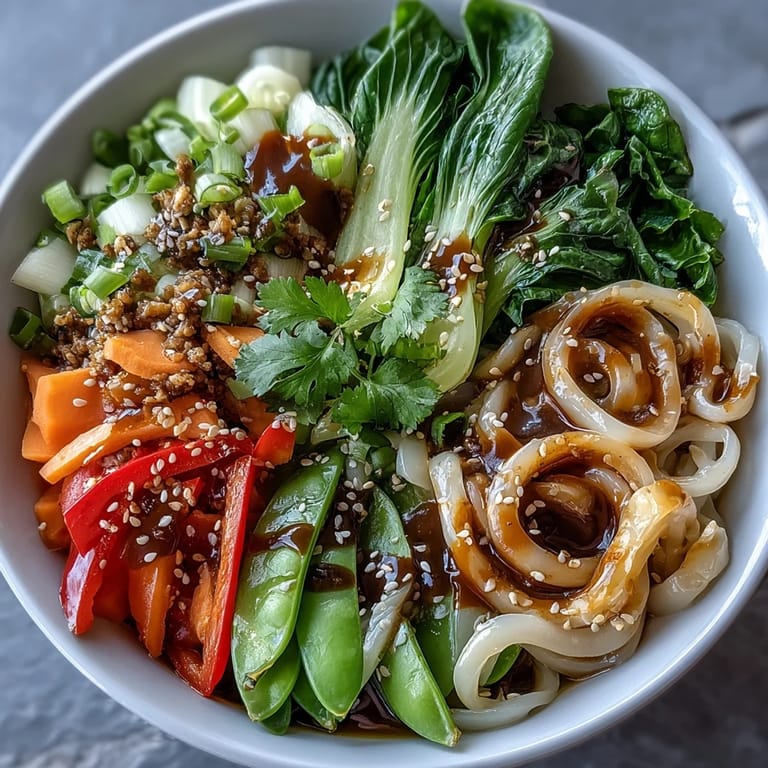
Save I stumbled onto shirataki noodles during a moment of kitchen frustration—tired of the usual spiralized vegetables and craving something that actually felt like noodles without the carb guilt. That first bowl was honestly a revelation, and the way the delicate strands soaked up that ginger-sesame sauce made me wonder why I hadn't discovered them sooner. Now it's become my go-to when I want something that tastes indulgent but leaves me feeling energized rather than sluggish.
I made this for a friend who'd just started eating low-carb, and watching her realize that noodles were still on the menu brought this genuine smile to her face. She'd been so resigned to lettuce wraps and vegetable piles, and suddenly there was texture and sauce and something that felt like real food. That moment of surprise and relief made me realize how much these simple dishes matter when someone's trying to make a real change.
Ingredients
- Shirataki noodles (400 g): These deserve a moment of respect—rinse and drain them well because that's half the battle. If you skip the boiling step, they taste slightly funky, but two minutes in hot water transforms them completely.
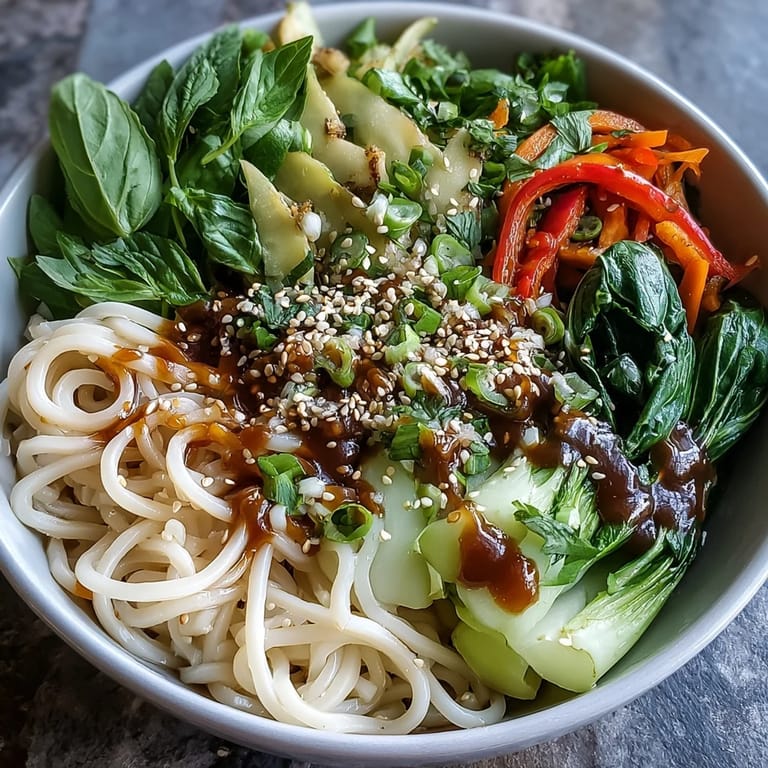
- Bok choy (1 cup, sliced): Wilts down quickly and has a mild sweetness that balances the sharp ginger sauce beautifully.
- Red bell pepper (1/2, thinly sliced): Adds sweetness and a satisfying crunch, plus the color makes the bowl look alive.
- Snow peas (1/2 cup, trimmed): Keep them whole or halved so they maintain that snap when you bite into them.
- Carrot (1 medium, julienned): A thin julienne means they cook evenly and add nice textural contrast without overwhelming the delicate noodles.
- Green onions (2, thinly sliced): Use them raw as a garnish to keep their fresh bite intact.
- Tamari or gluten-free soy sauce (2 tbsp): The backbone of your sauce, so taste as you go—some brands run saltier than others.
- Rice vinegar (1 tbsp): Brings brightness and prevents the sauce from feeling heavy.
- Toasted sesame oil (1 tbsp): This is non-negotiable for flavor—regular sesame oil tastes bland by comparison, and it's worth the small splurge.
- Fresh ginger (1 tbsp, finely grated): Microplane it if you have one, and use the kind that's warm and fragrant when you cut into it.
- Garlic clove (1, minced): A single clove keeps things subtle; add more if you're garlic-forward like I am.
- Maple syrup (1 tsp, optional): Just a touch to round out the sharp edges and let the other flavors shine.
- Chili flakes (1/2 tsp, optional): For warmth and a gentle kick that builds as you eat.
- Toasted sesame seeds (1 tbsp): Sprinkle these on at the end for nutty flavor and a satisfying crunch.
- Fresh cilantro or basil (optional): A small handful brings freshness that makes the whole bowl feel bright.
Tired of Takeout? 🥡
Get 10 meals you can make faster than delivery arrives. Seriously.
One email. No spam. Unsubscribe anytime.
Instructions
- Wake up your noodles:
- Drain the shirataki noodles and rinse them thoroughly under cold water, which removes any lingering smell. Boil them for exactly two minutes, then drain again and pat dry with paper towels so they don't steam into mushiness.
- Mix your magic sauce:
- Whisk tamari, rice vinegar, sesame oil, ginger, garlic, maple syrup, and chili flakes in a small bowl until the sauce smells incredible and the flavors start talking to each other. Taste it on a spoon—this is your moment to adjust sweetness or heat before it hits the pan.
- Stir-fry your firmest vegetables first:
- Heat your skillet or wok over medium-high until it's properly hot, then add carrot, bell pepper, and snow peas. You want them to stay crisp, so two to three minutes of constant movement is all they need.
- Add the greens and onions:
- Toss in the bok choy and green onions, stirring for another minute or two until the bok choy starts to soften at the edges but still has some structure. This is the moment the kitchen smells unbelievably good.
- Bring it all together:
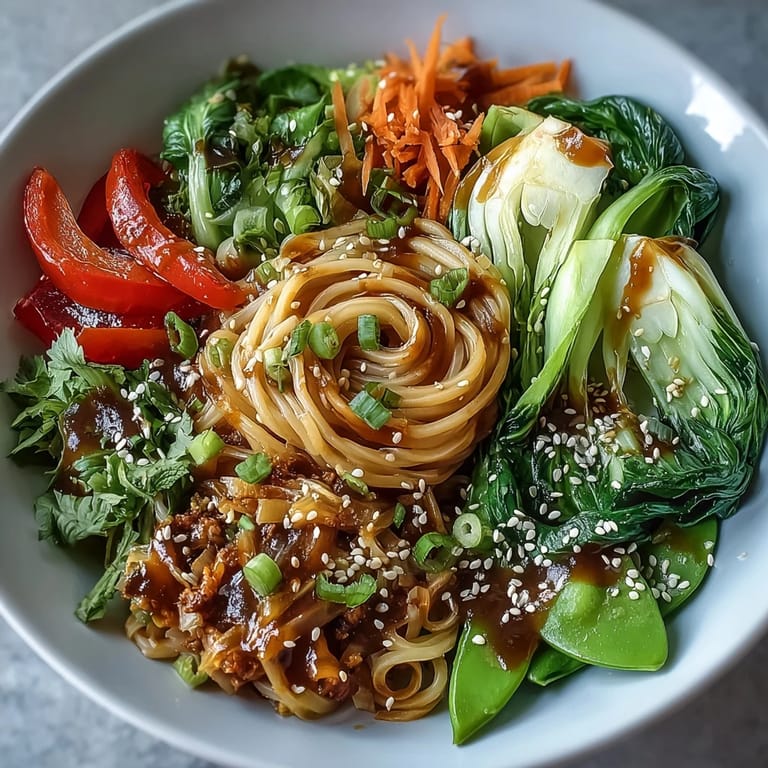
- Add your drained noodles to the pan and pour that ginger sauce over everything, then toss constantly for two to three minutes so every strand gets coated. The heat will warm the noodles through without making them mushy, and the whole thing comes together almost magically.
- Plate and finish:
- Divide between bowls and garnish with sesame seeds and fresh herbs, then serve immediately while everything still has its textural contrast. A squeeze of lime juice at the table is optional but honestly changes everything.
 Save
Save There's something quietly powerful about realizing you can eat something delicious and satisfying that also makes you feel better than heavy food does. That's what this bowl became for me—not a sacrifice or a compromise, but genuinely better tasting than a heavier alternative, every single time.
The Shirataki Secret
When shirataki noodles first hit mainstream grocery stores, people were skeptical, and I get why—early versions had a fishy smell and a texture issue. But the modern versions are genuinely good, especially when you treat them with respect. The trick is understanding that they're not trying to be regular pasta; they're their own thing. They absorb sauce beautifully, stay al dente no matter what, and let other flavors shine instead of dominating the bowl.
Building Your Perfect Sauce
I learned the hard way that rushing your sauce is where this dish falls apart. Take thirty seconds to actually whisk everything together and taste it before it hits the hot pan. The ginger should be bright and slightly warm, the sesame oil should smell toasted, and the acid from the vinegar should balance the saltiness. If it tastes too sharp, add another half-teaspoon of maple syrup. If it's too mild, a crack of black pepper or extra ginger will wake it up.
Vegetable Flexibility and Time Management
One of the best things about this bowl is how forgiving it is with substitutions. Broccoli, mushrooms, snap peas, or even a handful of thinly sliced cabbage all work wonderfully. The real lesson I learned is to group vegetables by how long they take to cook—harder ones like carrot and broccoli go in first, then softer ones like bok choy come after. This keeps everything from turning into mush and means your bowl has actual textural interest when you eat it.
- Prep all vegetables before you start cooking so you're not scrambling while things are heating up.
- If you're adding protein like tofu or shrimp, cook it separately first so you can control the timing perfectly.
- Leftovers keep for two days in the fridge, though the noodles soften slightly, so eat fresh for the best texture.
 Save
Save This bowl reminds me that eating well doesn't require guilt, sacrifice, or pretending that health food is something you endure. It can just be delicious. Make it often, adjust it to whatever you have on hand, and let it become your own thing.
Recipe FAQs
- → What are shirataki noodles?
Shirataki noodles are translucent, low-carb noodles made from konjac yam. They are very low in calories and absorb flavors well.
- → How do I prepare shirataki noodles before cooking?
Drain and rinse shirataki noodles under cold water, then boil for 2 minutes. Drain and pat dry before stir-frying to improve texture.
- → Can I substitute tamari in the ginger sauce?
Yes, gluten-free soy sauce works well as a substitute, providing a similar umami flavor while keeping it gluten-free.
- → What vegetables complement shirataki noodles?
Asian vegetables like bok choy, snow peas, bell peppers, carrots, and green onions add color, crunch, and freshness to the dish.
- → How can I add protein to this dish?
Adding grilled tofu, tempeh, or cooked shrimp can boost protein content while complementing the flavors and textures.
- → Is the ginger sauce spicy?
The sauce includes optional chili flakes for a mild heat, but you can adjust or omit them based on your taste preference.