 Save
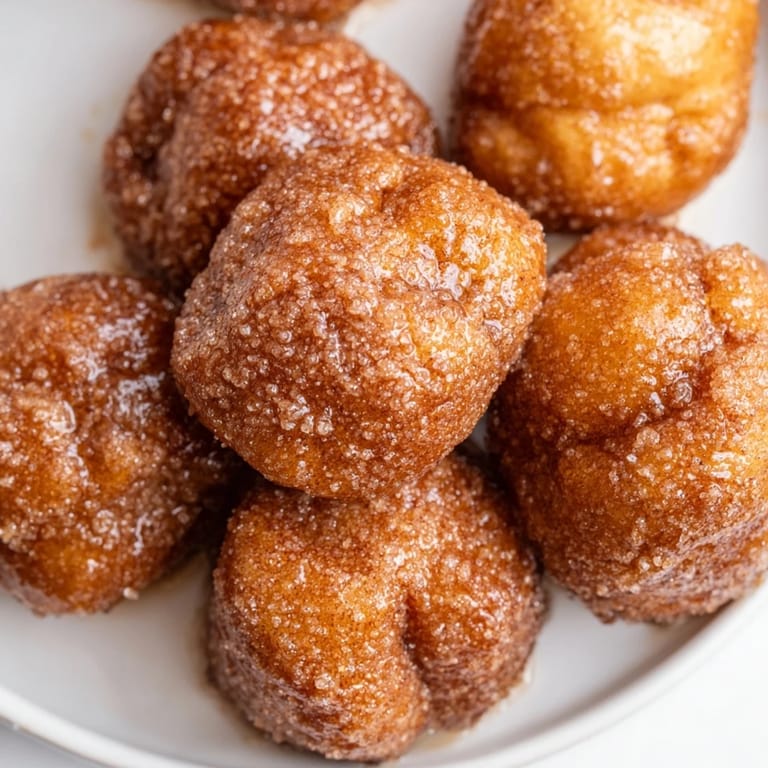
Save My sister called me on a Sunday morning asking for something "fun and messy" to make with her kids, and Monkey Bread came to mind immediately. There's something about those little golden orbs sticky with cinnamon and butter that makes people abandon forks and eat with their hands, laughing through the sweetness. The first time I made it, my kitchen smelled like a cinnamon roll factory had exploded in the best way possible. That aroma alone convinced me this recipe deserved a permanent spot in my rotation.
I'll never forget watching my dad try to eat it delicately with a fork at brunch, then give up entirely and just tear into it like a kid. That's when I knew I'd nailed it—when grown-ups abandoned their manners for a taste of something this good.
Ingredients
- All-purpose flour: The foundation of your soft, pillowy dough; don't skip the kneading step because it develops the gluten that makes each ball tender rather than dense.
- Instant dry yeast: This is your magic ingredient; make sure it's fresh and your milk is genuinely warm (around 110°F) or the dough won't rise.
- Granulated sugar: Sweetens the dough itself and the coating; it caramelizes beautifully in the oven and creates those crunchy-sticky bits everyone fights over.
- Salt: A small amount balances the sweetness and actually makes the cinnamon flavor pop more.
- Warm milk: Creates a soft, brioche-like crumb; cold milk will stall the yeast, so warm it gently before mixing.
- Unsalted butter: Use both melted and whole so you control the salt content; salted butter can overpower the delicate balance.
- Eggs: Two large eggs enrich the dough and help it rise with a tender crumb.
- Ground cinnamon: The star of the coating; don't skimp, and buy it fresh because stale cinnamon tastes like dust.
- Powdered sugar glaze: Optional but transforms the finished bread into something bakery-worthy; the vanilla extract adds a subtle warmth.
Tired of Takeout? 🥡
Get 10 meals you can make faster than delivery arrives. Seriously.
One email. No spam. Unsubscribe anytime.
Instructions
- Mix the dough foundation:
- In a large bowl, whisk together flour, yeast, sugar, and salt, then add warm milk, melted butter, and eggs. The mixture will look shaggy at first, but keep mixing until a soft dough comes together.
- Knead until smooth:
- Whether you use a stand mixer with a dough hook or your hands, knead for 5–7 minutes until the dough feels silky and elastic. You'll feel it transform under your hands from rough to smooth, and that's when you know it's ready.
- Let the dough rise:
- Oil a bowl lightly, place the dough inside, cover it loosely with a damp cloth, and set it in a warm spot for an hour. You're looking for it to roughly double in size; if your kitchen is cold, turn your oven on for 2 minutes, then turn it off and use the residual warmth.
- Prepare your coating station:
- Mix cinnamon and sugar in one bowl and pour melted butter into another. Having both ready makes the next steps feel like an assembly line.
- Shape into balls:
- Punch down the risen dough with your fist (this part is stress-relieving), then tear or cut it into roughly 40 pieces. Roll each piece between your palms into a smooth ball; they don't need to be perfect.
- Coat with butter and cinnamon sugar:
- Dip each ball into melted butter, then roll it in the cinnamon sugar mixture until coated. This is meditative work—let yourself enjoy the textures and the aroma building around you.
- Layer in the bundt pan:
- Butter your bundt pan generously, then arrange the coated balls evenly inside, layering them as you go. Don't pack them too tight; they need room to expand.
- Second rise:
- Cover the pan loosely and let it sit for 20–30 minutes until the balls look slightly puffed and touching. This second rise is shorter but crucial for that tender crumb.
- Bake to golden perfection:
- Preheat your oven to 350°F (180°C) and bake for 30–35 minutes until the top is deep golden brown and a toothpick inserted into the center comes out with just a few moist crumbs. Your kitchen will smell absolutely intoxicating.
- Cool and turn out:
- Let the pan cool for exactly 10 minutes—this is enough time for the structure to set but not so long that it sticks. Place a serving plate on top and flip it over with confidence.
- Optional glaze:
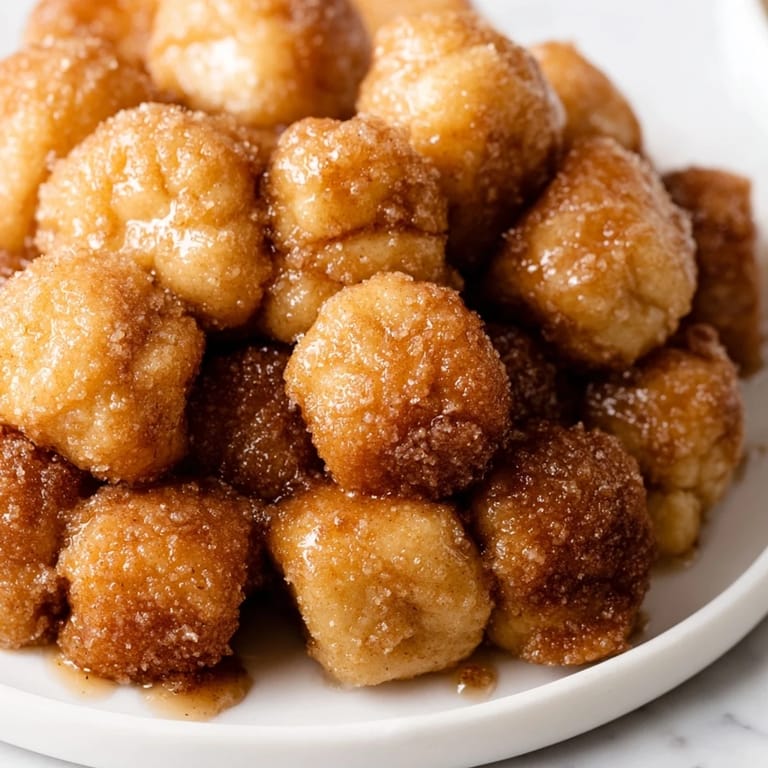
- Whisk powdered sugar, milk, and vanilla until smooth and drizzle it over the warm bread while it's still glistening with caramelized butter and cinnamon.
 Save
Save The moment that really sold me on this recipe was watching my neighbor actually close her eyes after her first bite, then immediately reach for another piece. Food memories aren't always about taste—sometimes they're about seeing someone you care about just... disappear into a moment of pure joy.
Why the Bundt Pan Matters
A bundt pan isn't just a pretty vessel; it creates the structure that makes Monkey Bread cook evenly and look like something you spent hours perfecting. The fluted shape also catches and caramelizes more of that cinnamon sugar on the edges, which is honestly the best part of the whole thing. I've tried it in round cake pans and rectangular ones out of curiosity, and it's never quite the same—something about the geometry of a bundt pan creates pockets of caramelization that just don't happen elsewhere.
Variations That Actually Work
Once you've made this the traditional way and fallen in love with it, you might want to experiment. I've added chopped pecans between layers for a buttery nuttiness, swapped half the cinnamon sugar for cardamom and sugar (beautifully floral), and even made a brown sugar and nutmeg version that reminded me of autumn in dessert form. The beauty of this recipe is that the dough itself is neutral enough to handle whatever flavor direction calls to you.
Serving and Storage Secrets
Monkey Bread is absolutely best served warm, ideally within a few hours of baking, when it's still soft and the glaze is still slightly sticky. If you need to make it ahead, bake it completely, let it cool, wrap it well, and rewarm it gently in a 275°F oven for about 15 minutes before serving. This recipe actually freezes beautifully too—freeze the fully baked and cooled bread wrapped tightly in plastic wrap and foil, then thaw and reheat whenever the craving hits.
- Pair it with strong black coffee, chai, or even hot chocolate for maximum comfort.
- Make it the night before a breakfast gathering and pop it in the oven right before guests arrive for fresh-baked magic.
- Leftover pieces are secretly wonderful crumbled into yogurt or eaten straight from the fridge at midnight when nobody's watching.
 Save
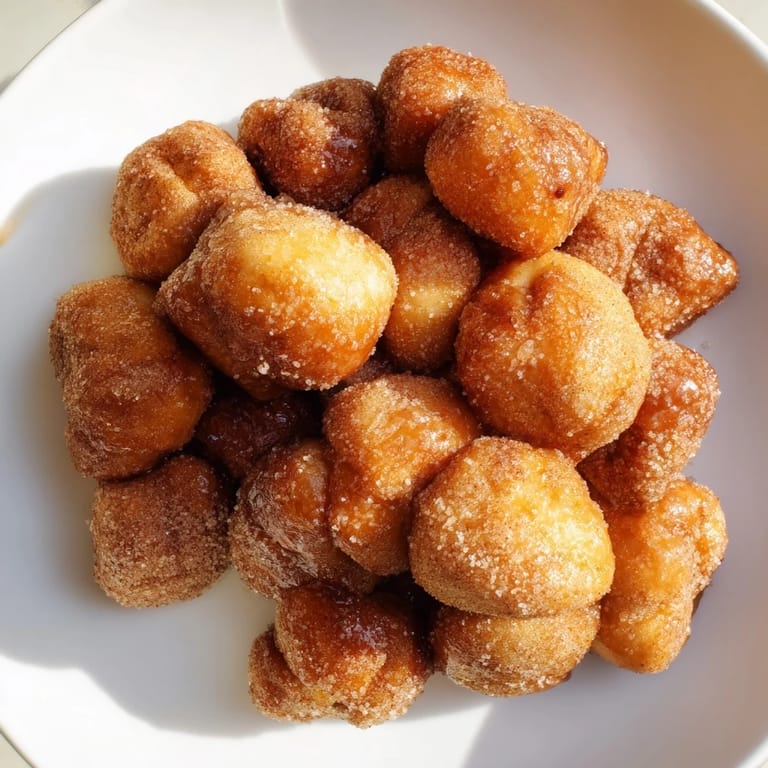
Save This recipe has a way of becoming someone's favorite breakfast tradition, the thing they ask for on special mornings or when they need comfort. Make it, watch people's faces light up, and let it become part of your kitchen story.
Recipe FAQs
- → What makes the bread sticky and sweet?
The coating of melted butter mixed with cinnamon sugar creates the signature sticky, sweet exterior once baked.
- → How do you achieve the pull-apart texture?
Shaping the dough into small balls and layering them in a bundt pan allows the bread to bake in connected portions that easily separate when served.
- → Can I add nuts for extra flavor?
Yes, chopped pecans or walnuts can be added between dough layers to add crunch and enhance the flavor.
- → What is the best way to serve this bread?
It is best enjoyed warm, either plain or drizzled with a simple vanilla glaze, alongside coffee or chai.
- → How long does the dough need to rise?
The dough rises twice: first for about an hour until doubled, then again for 20-30 minutes after shaping the balls.