 Save
Save I discovered roasted beet hummus by accident on a Tuesday afternoon when my farmer's market haul included three enormous beets and I was determined not to let them wilt in the crisper drawer. The oven was already warm from lunch, so I wrapped one in foil and forgot about it while I scrolled through my phone. When the kitchen filled with that sweet, earthy smell twenty minutes later, I realized I'd stumbled onto something that felt both comforting and elegant—the kind of dish that makes people pause mid-dip and ask what's in it.
My friend Marcus brought his partner to dinner and immediately made a beeline for the hummus, spreading it thick on crackers with zero hesitation. "Is this store-bought?" he asked, and I watched his face shift when I told him it was made that morning in my food processor. He went back for another plate, and that's when I knew this recipe had staying power—it's humble enough for a weeknight but fancy enough to make you feel accomplished.
Ingredients
- 1 medium beet (about 180 g), trimmed and scrubbed: Don't peel before roasting—the skin protects the sweet flesh and peels off effortlessly once it cools. I learned this the hard way after spending fifteen minutes with a vegetable peeler on a raw beet.
- 1 small garlic clove, peeled: One clove is genuinely enough; garlic can overpower the delicate earthiness of the beets if you get heavy-handed.
- 400 g (1 can) chickpeas, drained and rinsed: Rinsing removes the starchy liquid and creates a lighter, creamier texture—don't skip this step even if you're in a hurry.
- 3 tbsp tahini: This is your creamy backbone; use the good stuff if you can, as cheaper versions can taste chalky.
- 2 tbsp fresh lemon juice (about 1 lemon): Fresh lemon is non-negotiable here—it brightens everything and keeps the hummus from tasting one-dimensional.
- 2 tbsp extra-virgin olive oil, plus more for drizzling: This adds silkiness and a subtle fruity note that rounds out the earthiness beautifully.
- ½ tsp ground cumin: Cumin is the quiet hero that ties all the flavors together without announcing itself.
- ¼ tsp sea salt, or to taste: Start conservative and taste as you go; you can always add more but you can't take it back.
- 2–3 tbsp cold water (as needed): Cold water helps achieve that restaurant-quality creamy consistency without diluting flavor.
Tired of Takeout? 🥡
Get 10 meals you can make faster than delivery arrives. Seriously.
One email. No spam. Unsubscribe anytime.
Instructions
- Roast the beet until it's completely tender:
- Wrap your beet in foil and slide it onto a baking sheet, then into a 200°C (400°F) oven for 40–45 minutes. You'll know it's ready when a fork slides through like butter—don't rush this, as undercooked beet will make gritty hummus.
- Cool and peel with zero fuss:
- Let the beet cool until you can handle it comfortably, then rub the skin away under cool running water; it should slip off like a second skin. Roughly chop what's left and you're ready to build.
- Blend everything into silky smoothness:
- Drop the beet, chickpeas, garlic, tahini, lemon juice, olive oil, cumin, and salt into your food processor and let it run until completely smooth, pausing to scrape down the sides once or twice. This is where the magic happens—you're emulsifying all those flavors into one unified, creamy voice.
- Adjust the texture with patient addition:
- With the motor still running, drizzle in cold water one tablespoon at a time until you reach that sweet spot between thick dip and spreadable consistency. I usually need about 2 tablespoons, but every food processor is different.
- Taste, tweak, and transfer:
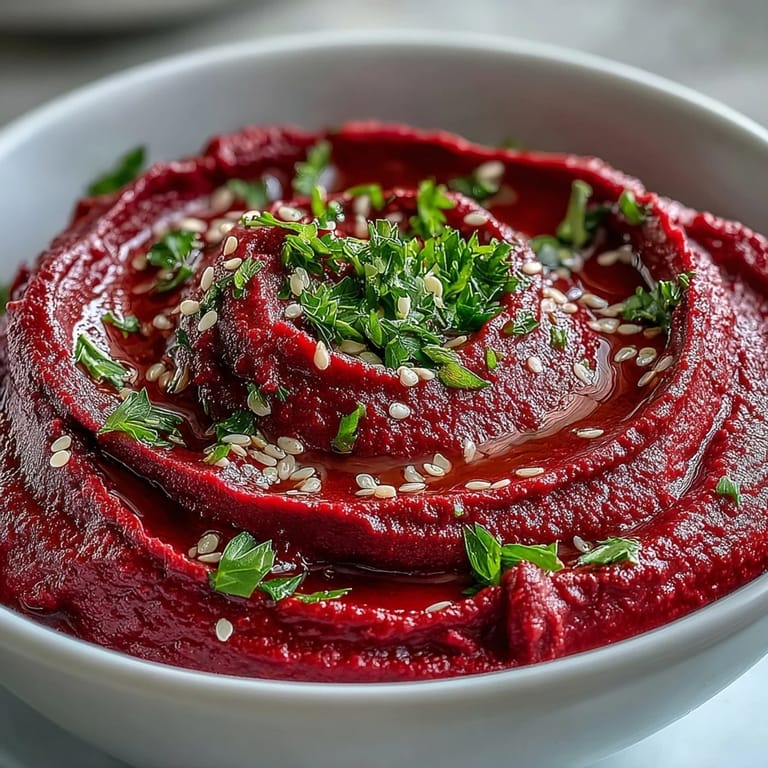
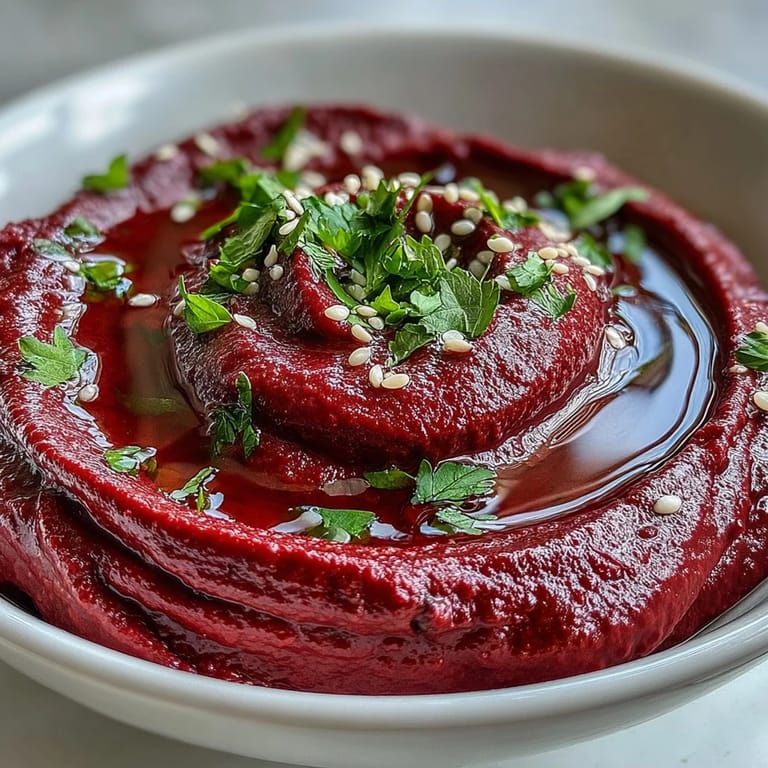
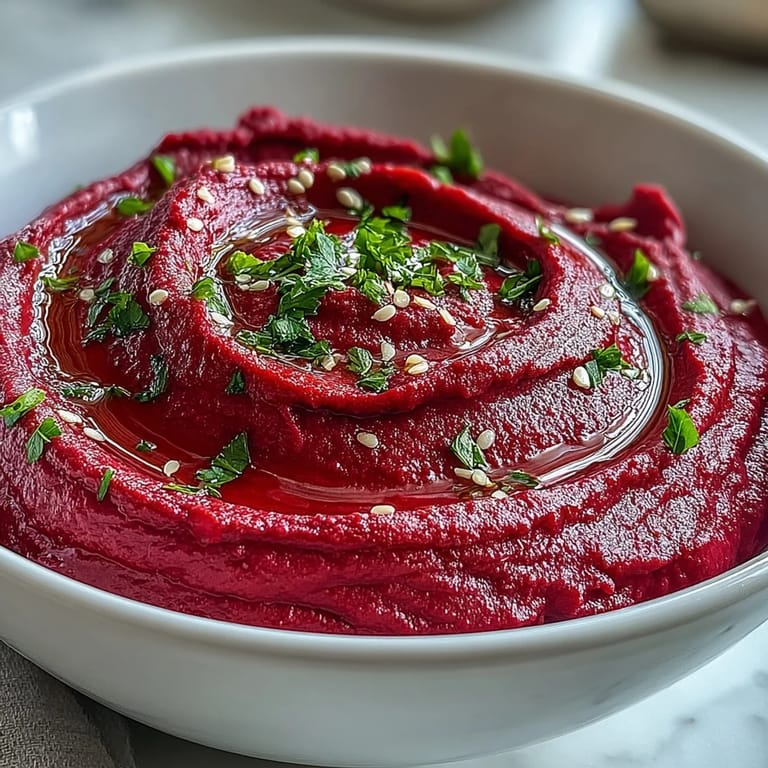
- Give it a final taste and pinch of salt or squeeze of lemon if it needs it, then move it to a shallow serving bowl. The moment you drizzle it with extra olive oil and maybe a whisper of cumin, it transforms into something that looks absolutely intentional.
 Save
Save There's something almost meditative about serving this hummus—watching people taste something vibrant and earthy that came from your own hands feels like a small act of kindness. This dip has become my quiet confidence builder in the kitchen, the recipe I make when I want to feel capable without stressing.
Why Roasted Beets Change Everything
Raw beets would be harsh and grainy, but roasting sweetens them and softens their earthiness into something almost honeyed. The long, slow heat transforms them into the perfect base for hummus—they become creamy when blended and add natural color without any artificial anything. That's the secret nobody talks about: roasting beets isn't extra work, it's the difference between good hummus and hummus that makes people ask for the recipe.
Flavor Variations That Actually Work
Once you master the basic version, the variations become intuitive. I've stirred in a pinch of smoked paprika for a backyard barbecue version, added fresh dill for something springlike and bright, and even experimented with a tiny bit of pomegranate molasses for tang. The beet is forgiving enough to play with, and that's what makes this recipe feel less like following orders and more like cooking with intention.
Serving Ideas and Storage
Serve this alongside warm pita chips, crunchy vegetables, or spread it on sandwiches where it adds both nutrition and visual drama. It keeps beautifully in an airtight container for up to four days, which means you can make it ahead for parties and actually enjoy your guests instead of stress-cooking in the kitchen. The flavor deepens slightly as it sits, so day-two hummus is honestly even better than day-one.
- Drizzle it with a good olive oil and a scatter of sesame seeds or fresh herbs right before serving for maximum visual impact.
- If it thickens up in the fridge, let it come to room temperature for fifteen minutes or loosen it with a tablespoon of cold water and a quick pulse.
- Double the batch without hesitation—this recipe disappears faster than you'd expect, and leftovers are never wasted.
 Save
Save This recipe reminds me that the best kitchen moments often come from happy accidents and willingness to use what you have on hand. Make this hummus and watch it become the appetizer people actually remember.
Recipe FAQs
- → Can I use canned beets instead of fresh?
Yes, you can use canned beets to save time. Drain them well and pat dry before blending. However, fresh roasted beets provide deeper, sweeter flavor and better texture.
- → How long does this keep in the refrigerator?
Store in an airtight container for up to 4 days. The flavors actually develop and meld together after a day, making it even more delicious.
- → What's the best way to achieve smooth consistency?
Blend thoroughly, scraping down the sides of your food processor several times. Adding cold water while the motor runs helps achieve that silky, creamy texture.
- → Can I freeze this hummus?
Yes, freeze in airtight containers for up to 3 months. Thaw overnight in the refrigerator and stir well before serving, adding a splash of lemon juice to refresh flavors.
- → What can I serve with beet hummus?
Pair with warm pita triangles, carrot sticks, cucumber slices, bell pepper strips, or spread on wraps and sandwiches. Also excellent topped with toasted pine nuts or crumbled feta.