 Save
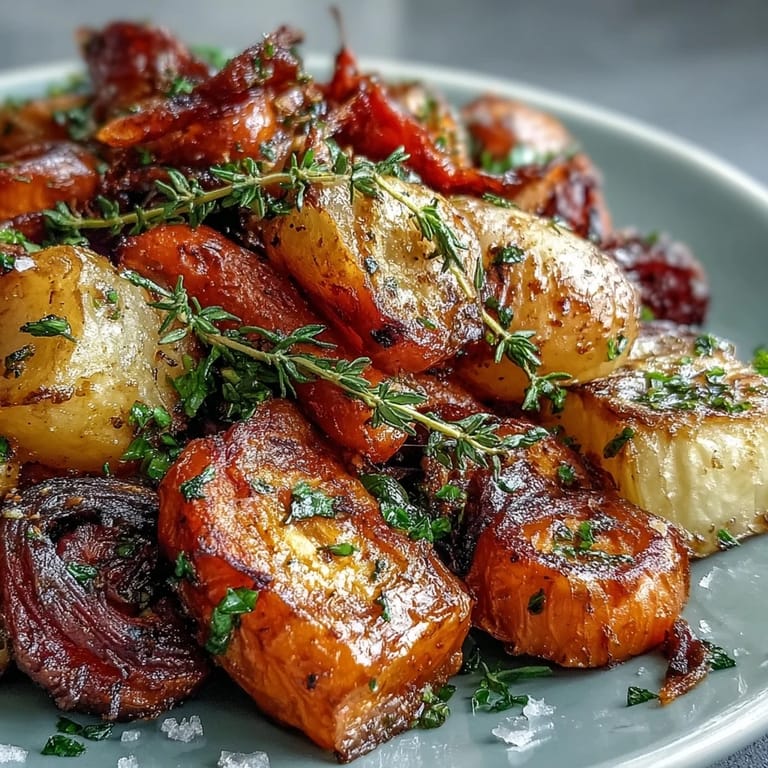
Save There's something honest about roasted root vegetables that caught me off guard the first time I really paid attention to them. My neighbor dropped off a farmers market haul one autumn afternoon, and I found myself with this chaotic pile of carrots, parsnips, and beets that honestly intimidated me. I threw them on a sheet pan with olive oil and herbs mostly out of desperation, but when they came out caramelized and tender, something clicked—these humble vegetables didn't need anything fancy, just heat and time to show their true sweetness.
I made this for a dinner party where my friend mentioned she'd gone vegan, and I panicked slightly until I remembered this recipe. Watching everyone go back for seconds, including the self-proclaimed meat-and-potatoes guy, felt like a quiet victory—turns out you don't need anything complicated to make people genuinely happy at the table.
Ingredients
- Carrots: The sweet workhorses that caramelize beautifully; medium ones cook evenly without getting mushy.
- Parsnips: They're like carrots' slightly nutty cousin and add this subtle complexity that sneaks up on you.
- Sweet potato: Brings natural richness and a creamy texture when roasted—it's the comfort in this dish.
- Red beet: Not just for color; it adds earthiness and keeps everything interesting flavor-wise.
- Rutabaga or turnip: The wild card that gives your pan a peppery note if you're brave enough to include it.
- Olive oil: Three tablespoons is enough to coat everything and create that golden, caramelized exterior without overdoing it.
- Kosher salt and black pepper: The foundation—don't skimp here because these vegetables need real seasoning to shine.
- Thyme and rosemary: Use fresh if you have it; they fill your kitchen with this amazing Mediterranean smell that makes everything feel intentional.
- Garlic: Optional but honestly worth mincing in because it gets crispy and adds a savory note that balances the sweetness.
- Fresh parsley: A finishing touch that's pure visual joy and adds a little green brightness.
Tired of Takeout? 🥡
Get 10 meals you can make faster than delivery arrives. Seriously.
One email. No spam. Unsubscribe anytime.
Instructions
- Heat Your Oven:
- Get your oven to 425°F and line a large baking sheet with parchment paper—this is non-negotiable because it keeps everything from sticking and makes cleanup actually bearable.
- Prep the Vegetables:
- Peel and cut everything into roughly 1-inch pieces, keeping them as uniform as you can so they roast at the same pace. Uneven pieces mean some burn while others stay firm, which nobody wants.
- Toss It All Together:
- In a large bowl, combine all your vegetables, then drizzle with olive oil and sprinkle with salt, pepper, thyme, rosemary, and garlic if using. Toss everything until each piece is glistening and evenly coated with herbs—this is where the magic of flavor happens.
- Spread and Roast:
- Spread the vegetables in a single layer on your baking sheet, giving them room to breathe. If they're crowded, they'll steam instead of caramelize, so don't be shy about using two pans if needed.
- Stir and Check:
- About halfway through the 35–40 minute roasting time, give everything a good stir with a spatula so the pieces on top get a chance to get golden too. You're looking for that caramelized, fork-tender moment.
- Finish and Serve:
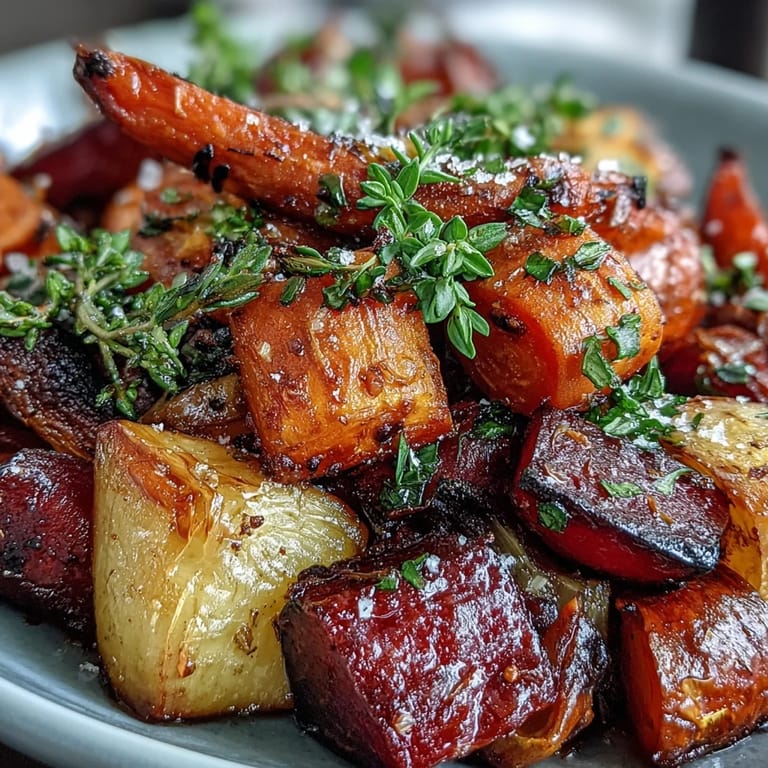
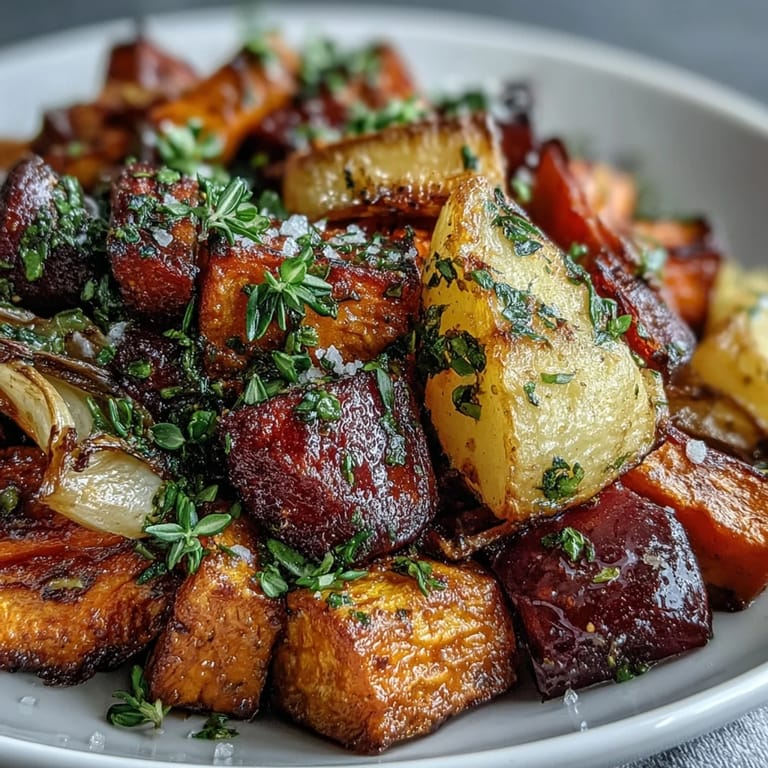
- Pull them out when the edges look deeply golden and a fork slides through easily. Transfer to a serving dish, scatter fresh parsley on top if you have it, and serve while they're still warm.
 Save
Save My five-year-old nephew actually asked for seconds of roasted vegetables, which felt like a small miracle in a world of chicken nuggets and mac and cheese. That moment reminded me that good food, cooked simply and with actual care, speaks to everyone.
What Makes These Vegetables Caramelize
Caramelization happens when the natural sugars in root vegetables get exposed to high heat and turn golden brown—it's not burning, it's chemistry working in your favor. The key is that 425°F oven temperature and giving them enough space so they roast instead of steam, which is why parchment paper and a single layer matter so much.
Switching Up Your Root Vegetable Lineup
The beautiful thing about this recipe is that it's flexible based on what you find at the market or what's hiding in your root cellar. Potatoes, celeriac, sunchokes, or even regular turnips work just fine—you're basically looking for anything that caramelizes beautifully and gets tender when roasted. I've done versions with mostly parsnips when they're on sale, or leaned heavy on sweet potatoes when someone's brought them by, and every combination tastes genuinely good.
Taking It From Side Dish to Something More
This medley can absolutely be the star of the plate instead of the supporting player. Serve it over quinoa or rice with a dollop of tahini sauce and some greens, or layer it into a grain bowl with roasted chickpeas and a squeeze of lemon. The roasted vegetables have enough personality and caramelized depth that they can carry a meal on their own, especially when you consider how satisfying and nutrient-dense a plate of them actually is.
- A splash of balsamic vinegar tossed in at the end adds a sophisticated tang that makes people pause and ask what you did.
- Toasted pumpkin seeds or walnuts scattered on top add texture and make it feel even more intentional.
- Fresh lemon juice squeezed over everything right before serving brightens the whole dish in a way that's surprising and wonderful.
 Save
Save Roasted root vegetables have become my go-to side dish because they're simple enough for a Tuesday night but impressive enough for when people come over. They're the kind of food that reminds you there's real magic in the everyday.
Recipe FAQs
- → What temperature is best for roasting root vegetables?
Roast at 425°F (220°C) for optimal caramelization. This high heat creates golden edges and tender interiors while concentrating natural sugars.
- → Can I prepare these vegetables ahead of time?
Yes, peel and cut vegetables up to 24 hours in advance. Store in airtight containers with damp paper towels to maintain freshness before roasting.
- → Which root vegetables work best together?
Carrots, parsnips, sweet potatoes, beets, and rutabaga offer complementary flavors and similar cooking times. Potatoes, celeriac, and sunchokes make excellent additions.
- → How do I prevent vegetables from steaming instead of roasting?
Spread vegetables in a single layer without overcrowding the pan. Use parchment paper for easy cleanup and toss halfway through cooking for even browning.
- → What herbs complement roasted root vegetables?
Thyme and rosemary provide classic savory notes. Fresh parsley adds brightness when garnished. Sage, oregano, or marjoram work beautifully as alternatives.